
Stroke Prevention Procedures
Vascular Wellness Center offers a variety of stroke prevention procedures designed to address each patient’s specific needs. To learn more, explore the information below.
Carotid Endarterectomy
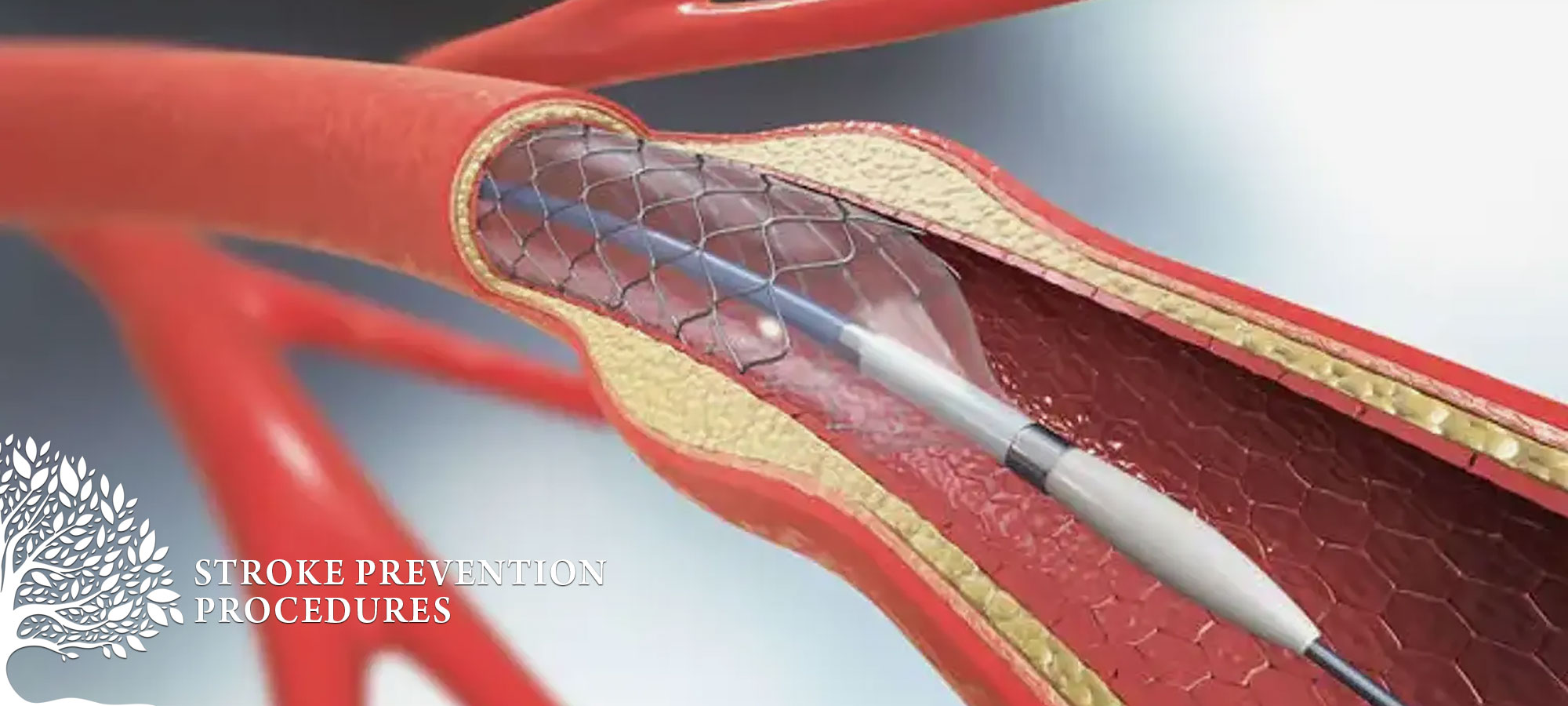
Carotid artery disease occurs when the main arteries in the neck become narrowed or blocked, limiting blood flow to the brain. Over time, plaque (a buildup of cholesterol, calcium, and fibrous tissue) can accumulate, causing the arteries to harden and narrow—a process called atherosclerosis. This significantly raises the risk of stroke.
During a carotid endarterectomy, the surgeon makes an incision in the neck, opens the affected artery, and removes the plaque. Patients typically need to stay in the hospital overnight following the procedure.
Transcarotid Artery Revascularization (TCAR)
TCAR is a minimally invasive technique for treating carotid artery disease that reduces the risk of stroke during the procedure itself. The process involves temporarily reversing blood flow so any plaque dislodged while clearing the artery does not travel toward the brain. Only certain individuals are candidates, and your surgeon will determine the most appropriate option for you.
Transfemoral Carotid Stenting
This procedure involves placing a slender mesh tube (stent) inside a blocked carotid artery to widen the artery walls and improve blood flow to the brain. A vascular surgeon inserts the stent via a catheter, typically accessed through the groin.